
Textos
Artigos publicados – Prefácios – Memorial
© by Ricardo da Costa © 1995-2026
All rights reserved.
Artigos publicados – Prefácios – Memorial
© by Ricardo da Costa © 1995-2026
All rights reserved.
129
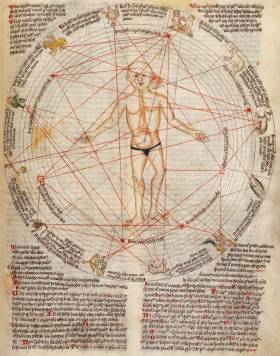
The Melancholy in the writings of the philosopher Ramon Llull.
128
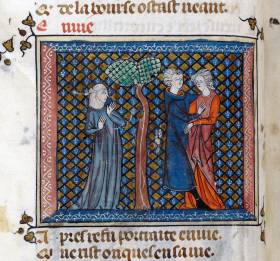
Envy is one of the Seven Deadly Sins and a classic theme in Medieval and Renaissance Art. Our purpose is to analyze some of the more traditional images on the subject.

127
Leprosy in Middle Ages, its history, medical perception and social attitude toward manifestation of the disease. We present some excerpts from Començaments de Medicina (The Principles of Medicine) by the philosopher Ramon Llull (1232-1316) which presents the theoretical foundations of his Medicine.
126
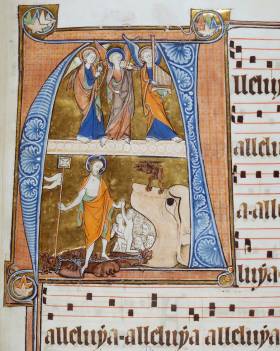
The purpose is to present the methodology of the Spanish historian José Enrique Ruiz-Domènec (1948-) for the study of the Past: the appreciation of Music – one of the seven Liberal Arts – in historical studies as a key element for understanding the history of cultures in time.
125
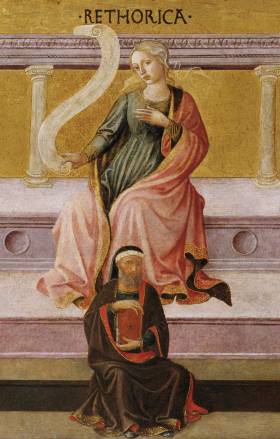
Nuestra propuesta es presentar el concepto de Belleza en las obras Retòrica Nova (1301) y el Llibre de contemplació (1271-1274) del filósofo Ramón Llull, idea central retórica para convertir el mundo al Cristianismo, y mostrar sus respectivos temas, exempla y proverbios.
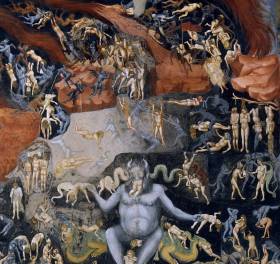
124
Iconographic analysis of medieval frescoes about hell with the confrontation of biblical texts, philosophers and writers of the thirteenth century.
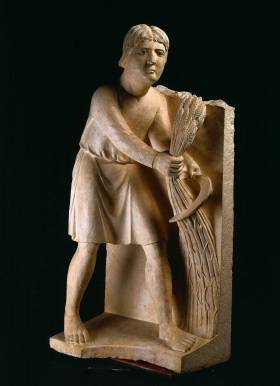
123
The purpose is to present a ripe fruit of artistic renewal (renovatio) from the XII century: the representations of peasant life in the sculptures of Benedetto Antelami exposed in the Baptistery of Parma.
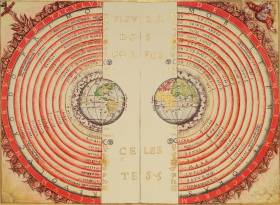
122
The contents of the Second Book of Convivio (c.1304-1307) from Dante and discuss the philosophical foundations of his analogy between seven Liberal Arts and seven planets.
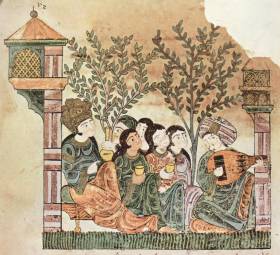
121
This paper analyses the subjects of Love and Beauty in the Risalah fi’l- ‘ishq (A Treatise on Love) of the philosopher Ibn Sīnā (980-1037).
120
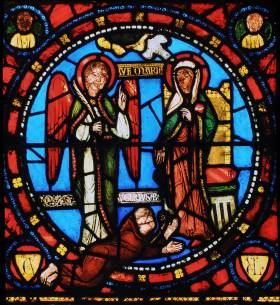
To reform the Abbey with a New Aesthetic (later to be known as Gothic), Suger used art to convey his interpretation of Christian theology, and so materialize, artistically, tangible means by which one could ascend from the material to the immaterial.
119
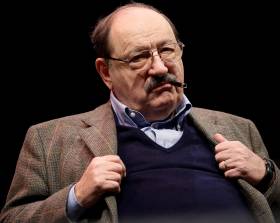
The aesthetic ideas of Umberto Eco (1932-2016) in his book Art and Beauty in the Middle Ages (1987), particularly the aesthetic sensibilities and interests of medieval themes in the metaphysics of light (claritas), the symbolism and the Allegory, and the aesthetic vision of the Universe.
118
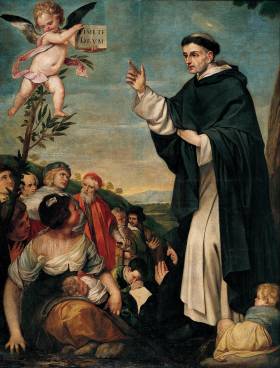
Some aspects of the philosophical discourse and the medieval rhetoric elements contained in the sermons of Saint Vincent Ferrer (1350-1419), especially his thoughts about a theme currently and universally present in the Christian Middle Ages: the moral virtues or cardinal virtues.
117
The crisis of History and decay of Historical Consciousness in the Postmodern era of the absolute Relativism.
116
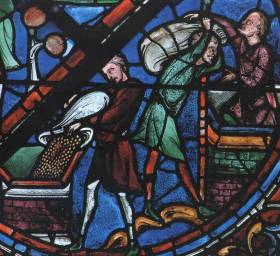
Iconographic study of images of medieval peasants in Chartres and Amiens cathedrals.

115
The purpose is to analyze the iconography illuminations from three songs and one praise presents in the Cantigas de Santa María, by Alfonso X the Wise (1221-1284).
114
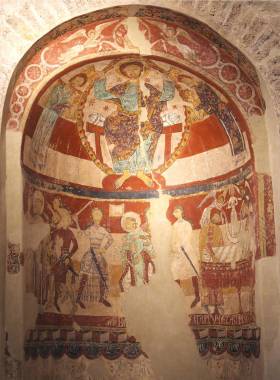
Iconographic study of medieval images about martyrdom and miracles attributed to Thomas Becket.
113
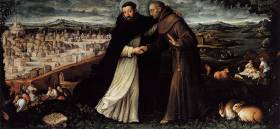
Two examples of textual and imagistic representations of Dominican and Franciscan friars contained in the Cantigas de Santa María.
112
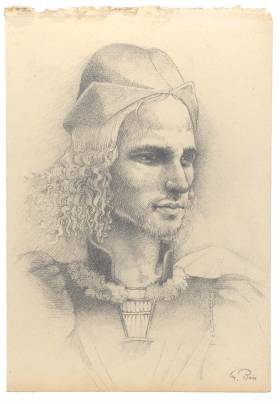
Multilingual Joan Roís de Corella – The Relevance of a Fifteenth-Century Classic of the Crown of Aragon.
111
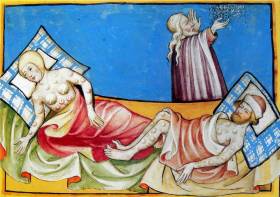
The Regimen sanitatis by physician Catalan Arnaldus de Villa Nova, with emphasis on diet prescribed by the author for the prevention of disease and the search for better health.
110
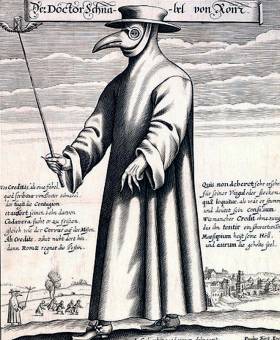
The purpose is to present some characteristics and peculiarities of the first translation of Lo Somni, by Bernat Metge, to Portuguese, realized by Ricardo da Costa and revised by Armando Alexandre dos Santos. For this, we will comment some literary aspects more typically humanists of the work. Lastly, we will discourse about the reception of the metgian text for the Portuguese language.
109
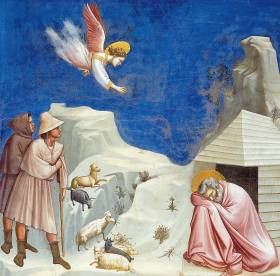
Brief analysis of Lo Somni (1399) work of Bernat Metge, particularly the educational and moral point of view.
108
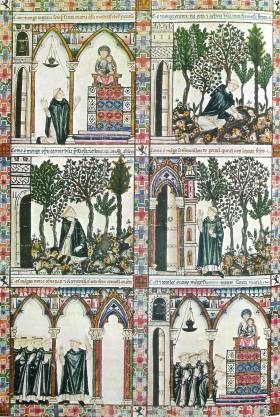
The purpose is to present the academic community our translation of Cantiga 103, made directly from the Galician-Portuguese, in addition to its close thematic relationship with the corresponding illumination.
107
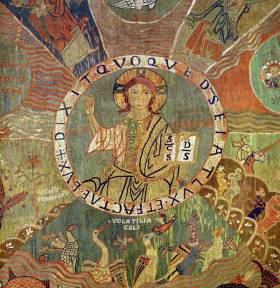
Catalan embroidery, one of the most important textile works of Romanesque art who tells the Christian cosmology, the Heaven and the Nature in its original state. Our proposal is to analyze some aspects of his iconography, especially the meaning of the Cosmocrator God and His relationship with the philosophy of St. Augustine.
106
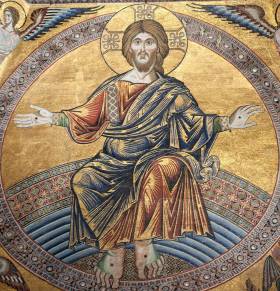
The Conference will present the Catalan philosopher meditations on God's foreknowledge, preceded by considerations of St. Thomas Aquinas. The basis of our presentation will be The Book of Contemplation, first great treatise written by Ramon Llull.
105
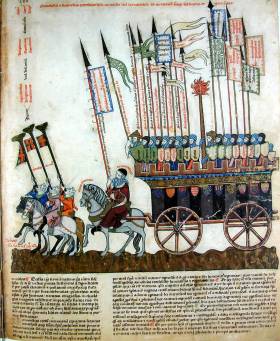
The imaginary debate in Librum disputationis Petri et Raimundi phantastici and analyze the limits of the medieval dialogue. Debate or conversion? In addition, I was a iconographic analysis of one of the most famous artistic representations of Ramon Llull: “The rear of the army and relief of Mr. Ramon Llull of Majorca to destroy the tower of Falsehood and Ignorance”, seventh miniature from Breviculum (1325).