178
A vida é como uma obra de arte
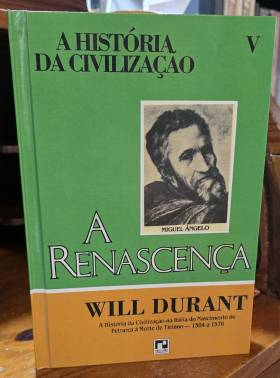
Preface to The Story of Civilization V: The Renaissance, by Will Durant (1885-1981)
178
Preface to The Story of Civilization V: The Renaissance, by Will Durant (1885-1981)
166
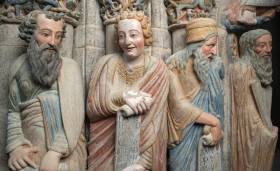
Analysis of the style, shapes, musicality, colors and characters in the Portico of Glory of the Cathedral of Santiago de Compostela, Galicia, Romanic Masterpiece by architect and sculptor Master Mateo (fl.1161-1227).
162
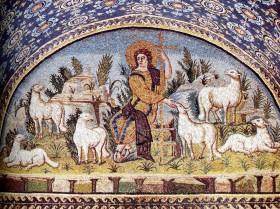
The aim of this paper is to analyse the iconographic theme of the Good Shepherd in Paleochristian Art and the reasons for its popularity above all in the sculptural sarcophagus art of the period.
146
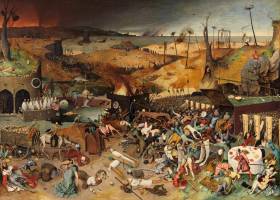
Analysis of the macabre themes exposed in the famous painting The Triumph of Death (c.1562), by Bruegel the Elder (c.1525-1569). My interpretive proposal is to appreciate the images from the musical suggestions that the artist represents, and that the density of the drama of existence in the face of death can be understood more profoundly with the confrontation of the painting’s images with the musicality of the instruments and the sound of scenes.
148
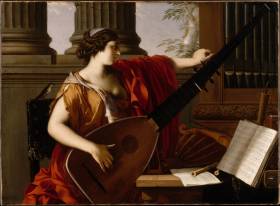
The Allegory (ἀλληγορία) was a literary, philosophical and aesthetic resource widely used by Western cultural tradition. It enriched the mental and artistic universe to the point of becoming a poetic topos (τόπος). Artistic. The objective of this paper is to discuss the importance of allegory for Literature and Art. From the Ancient World to the Baroque.
147
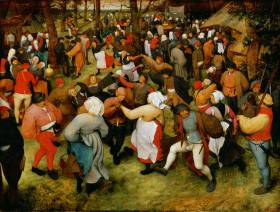
Genre painting, a tradition in History of Art, was very developed by Bruegel the Elder (c.1525-1569). His scenes of daily peasant life profoundly marked the memory we have of pre-industrial Europe. The purpose of this paper is to analyze his image of the peasant: his life, parties, dances and remarkable moments of its existence.
160
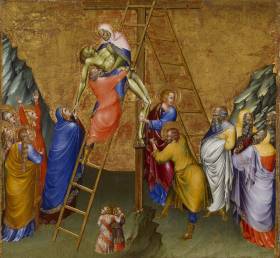
As the Middle Ages acquired new delicate body expressions in Art with Gothic, the artists felt more at ease to experience new gestures of the human body. For that, Christ continued to be the aesthetic reference. The theme of the Descent from the Cross served as the basis for this bodily experimentalism.
143
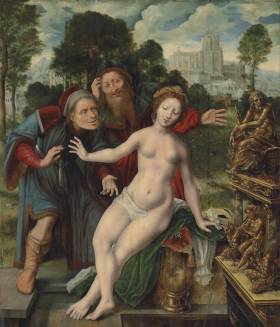
The biblical theme Susanna and the elders in the History of Art – in seven artists: the Master of Fauvel (Anonymous master, 14th century), Domenico di Michelino (1417-1491), Lorenzo Lotto (c.1480-1556), Jan Massys (c.1510-1575), Jacques-Antoine Beaufort (1721-1784), Francesco Hayez (1791-1881), and Artemisia Gentileschi (1593-1623).
43
Iconographic study of the Gothic frontal by Master of Soriguerola.