
Textos
Artigos publicados – Prefácios – Memorial
© by Ricardo da Costa © 1995-2026
All rights reserved.
Artigos publicados – Prefácios – Memorial
© by Ricardo da Costa © 1995-2026
All rights reserved.
154
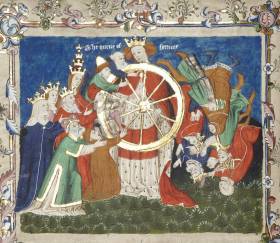
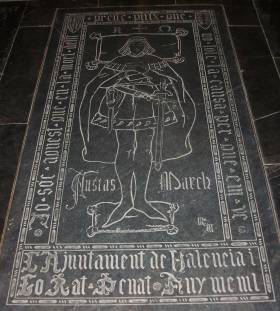
The allegory of the Wheel of Fortune is a recurring theme in medieval thought. The notion of fortune was inherited from a double tradition and adapted by Ausiàs March (c.1397-1439) to literary use. We must, therefore, deal with this allegory in the Dictats, by March, and show how the Valencian poet literarily developed the theme of the instability of the Wheel of Fortune in his poems.
153
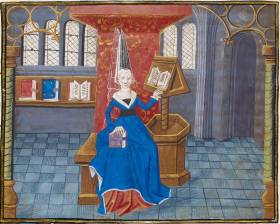
Very brief consideration about the female condition in the Middle Ages, with some examples of women who stood out in their activities (political, religious, etc.) such as Radegund (c.520-587), Dhuoda (c.803-843), Agnes of Burgundy (†1068), and several others, from Rictrude (c.614-688) to Christine de Pisan (1364-1430).
152
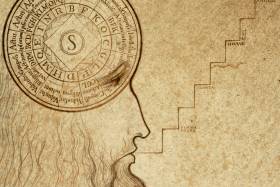
The aim of this paper is to analyse the concepts of Will and Power according to Ramon Llull (1232-1316) in the Book of Contemplation in God, Chapter 47, in its XI Distinction, as well as to understand the author’s proposal for practical application of such principles in the Christian life.
151
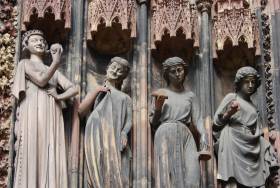
Analysis of three medieval artistic expressions of the biblical Parable of the Wise and Foolish Virgins (Mt 25, 1-13): the frescoes the southern apse from Pedret (12th century) and the sculptures of the cathedrals of Freiburg (c.1300) and Strasbourg (c.1280-1300).
150
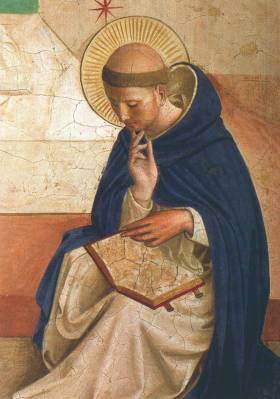
This paper presents a brief historical context of the effervescent 13th century of the Medieval West and the importance of the Order of Preachers in urban renewal and in the consolidation of Christian thought in the newly founded universities.
149
Preface to the book Aesthetics of the Body in Western Art, by Matheus Corassa da Silva.
148
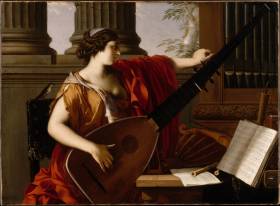
The Allegory (ἀλληγορία) was a literary, philosophical and aesthetic resource widely used by Western cultural tradition. It enriched the mental and artistic universe to the point of becoming a poetic topos (τόπος). Artistic. The objective of this paper is to discuss the importance of allegory for Literature and Art. From the Ancient World to the Baroque.
147
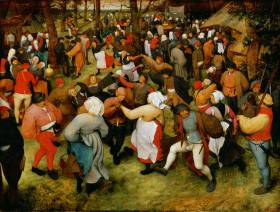
Genre painting, a tradition in History of Art, was very developed by Bruegel the Elder (c.1525-1569). His scenes of daily peasant life profoundly marked the memory we have of pre-industrial Europe. The purpose of this paper is to analyze his image of the peasant: his life, parties, dances and remarkable moments of its existence.
146
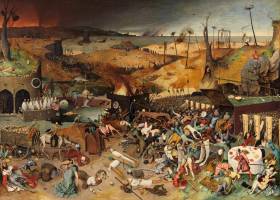
Analysis of the macabre themes exposed in the famous painting The Triumph of Death (c.1562), by Bruegel the Elder (c.1525-1569). My interpretive proposal is to appreciate the images from the musical suggestions that the artist represents, and that the density of the drama of existence in the face of death can be understood more profoundly with the confrontation of the painting’s images with the musicality of the instruments and the sound of scenes.
145
The historiographical production of José Enrique Ruiz-Domènec (1948-) and his influence on my totalizing vision of History: his multidisciplinarity, method and dialogue with other areas of knowledge from Human Sciences.
144
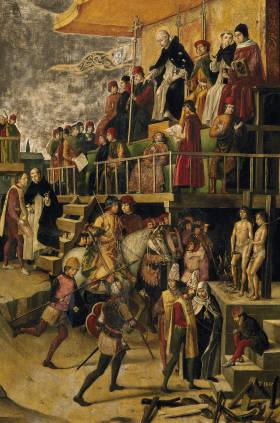
The mith of Inquisition in the iconographic interpretation of three artistic representations: Pedro Berruguete (c.1450-1504), Goya (1746-1828) and Cristiano Banti (1824-1904).
143
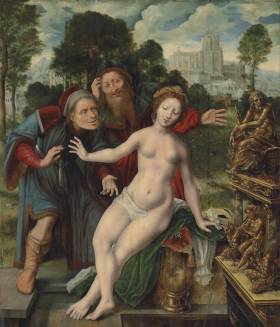
The biblical theme Susanna and the elders in the History of Art – in seven artists: the Master of Fauvel (Anonymous master, 14th century), Domenico di Michelino (1417-1491), Lorenzo Lotto (c.1480-1556), Jan Massys (c.1510-1575), Jacques-Antoine Beaufort (1721-1784), Francesco Hayez (1791-1881), and Artemisia Gentileschi (1593-1623).
142
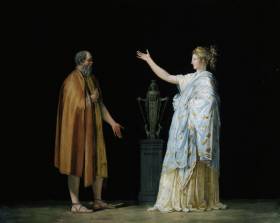
The Rhetoric in Antiquity and the Middle Ages from the perspective of eleven philosophers. It also offers an extract from us translated from the New Rhetoric (1301) of the Catalan philosopher Ramon Llull (1232-1316), the first translation into Portuguese.
141
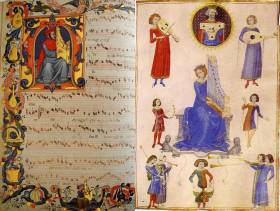
The concept of courtly love in eight songs (cançons) of the Catalan medieval troubadour Berenguer de Palou.
140
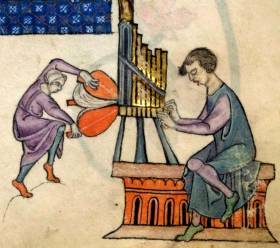
Brief exposition of the importance of Music in Western aesthetic thought. Since Plato, and later, in the Middle Ages, San Isidore of Seville, Guido of Arezzo and Ramon Llull, all had thinkers who did meditations on the importance of the aesthetics of harmonic sounds for human existence.
139
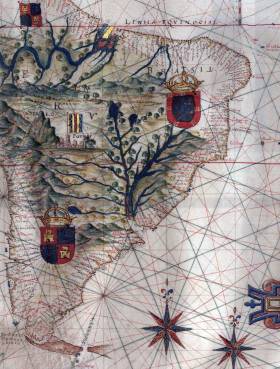
Analysis of the academic studies about the Middle Ages in the State of Espírito Santo (ES-Brazil).
138
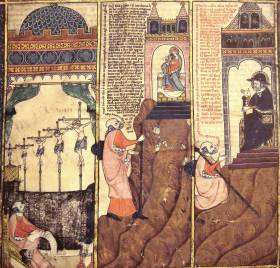
Review of the Complete Works of the Valencian poet Ausiàs March (1400-1459), edited by Robert Archer.
137
Analysis of the concept of tolerance and its inapplicability to the study of relations between religions in the Middle Ages.
136
Academic Memorial presented on April 26, 2017 to a Special Commission to progress to the last level of academic career in Brazil (Professor Titular).
135
The Multiple Middle Ages investigated by Jacques Le Goff (1924-2014) in his academic career: civilization, imaginary, cities, bankers, daily life, intellectuals, Saint Louis (1214-1270).
134
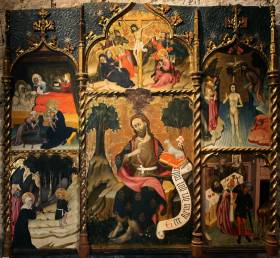
Étude iconographique du Retable de Saint Jean-Baptiste (1425-1430), attribué au peintre gothique catalan Bernat Martorell (1390-1452), afin d’analyser les représentations imagétiques du corps du saint, ses expressions faciales, ses gestes.
133
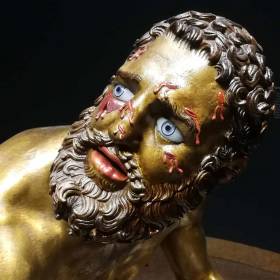
First part of the book Aesthetics.
132
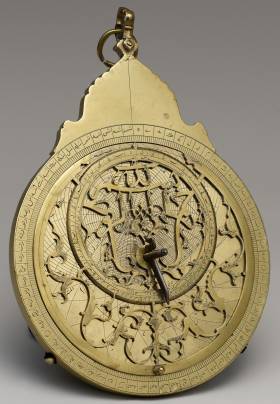
Analysis of Tractat d'Astronomia (1297) of Catalan Philosopher Ramon Llull.
131
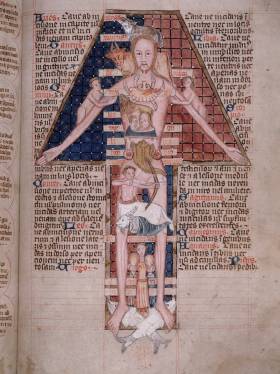
The importance of Astrology / Astronomy in the Middle Ages, especially the artistic metaphor of the Zodiacal Man as a microcosm of the Universe Revolution.
130
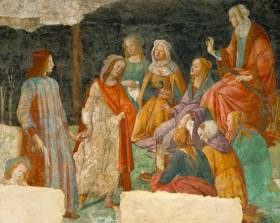
This article contains an exposition and an analysis on the theme of the Liberal Arts in a sermon of Saint Vincent Ferrer, renowned Dominican Valencian preacher during the passage between the fourteenth and fifteenth centuries. We intend to show that the Liberal Arts are addressed by the sermonist within the traditional theoretical scope of classification of sciences in the medieval period.